
Description
IES-EV-352
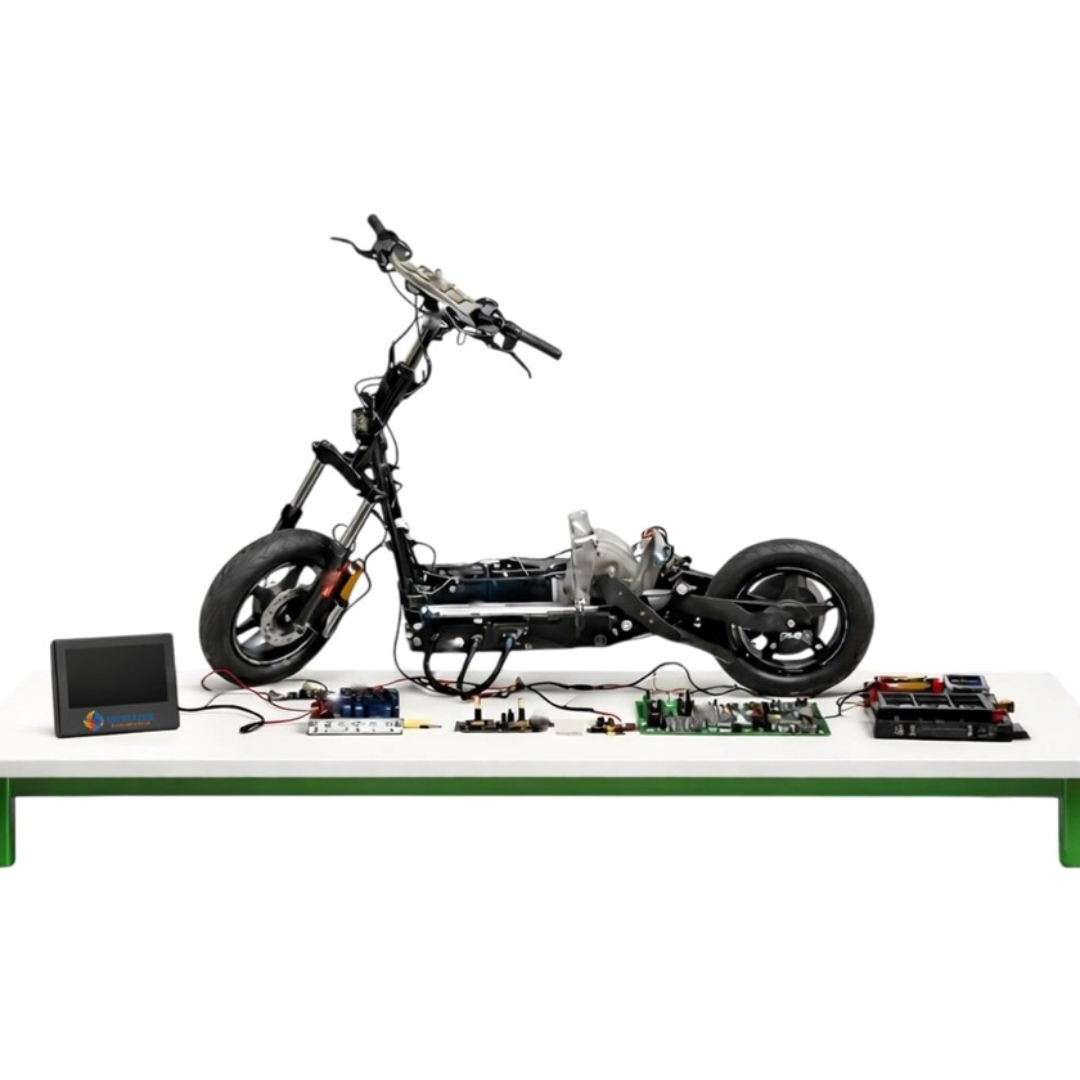
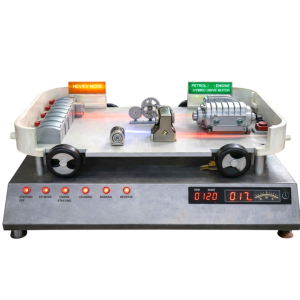
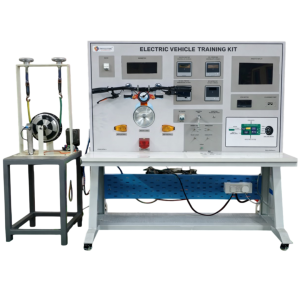
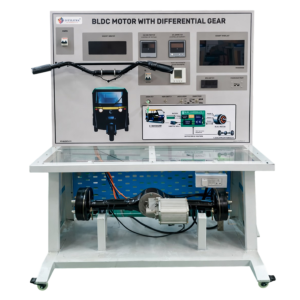
2-W Electric Vehicle Working Model Training Setup – IES-EV-352
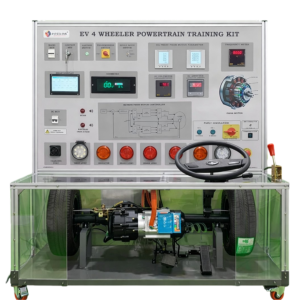
2 Wheeler Electric Vehicle Training System is a practical and industry-relevant platform designed to provide hands-on learning of electric vehicle propulsion, battery systems, motor control, and regenerative braking.
This system features a real EV drivetrain setup including BLDC/PMSM motor, lithium battery, motor controller, and CAN-based data acquisition system, allowing students to understand real-time EV operation, diagnostics, and performance analysis.
It is ideal for EV training labs, engineering colleges, automotive institutes, and skill development centers focusing on electric mobility.
KEY TECHNICAL SPECIFICATIONS
- Traction Motor
High-efficiency BLDC / PMSM traction motor designed for electric two-wheeler drivetrain operation with configurable voltage levels. - Motor Controller
Programmable EV motor controller supporting throttle control, regenerative braking and real-time motor control functions. - Battery & Energy Storage System
EV-grade lithium battery pack with integrated battery management system for monitoring voltage, current and temperature parameters. - Transmission & Drive System
Direct coupling, chain drive or belt drive arrangement for demonstration of drivetrain power transmission. - Mechanical Frame Structure
Open mild-steel powder-coated frame with accessible mounting for motor, controller and battery components. - Instrumentation & Sensors
Integrated sensors and digital instrumentation for measurement of voltage, current, torque, speed and temperature. - Display & Monitoring Interface
PC-based monitoring interface with CAN communication software along with digital meters mounted on the frame. - Data Acquisition System
CAN-based data acquisition system enabling real-time monitoring, logging and diagnostic analysis. - Safety & Protection System
Electrical protection including MCB, fuse protection, overload protection and emergency stop switch.
RANGE OF EXPERIMENTS
-
Study of electric vehicle propulsion system and energy flow
-
Analysis of motor speed, torque and performance characteristics
-
Investigation of regenerative braking operation
-
Battery performance monitoring and charge behaviour analysis
-
Controller throttle response and speed control testing
-
Real-time monitoring of electrical and mechanical parameters
-
Sensor signal measurement and calibration experiments
-
EV drivetrain diagnostics and troubleshooting exercises
FEATURES
-
Open learning format with clearly visible EV components
-
Real EV drivetrain components for practical training
-
CAN-based monitoring and diagnostic capability
-
Integrated sensors and digital instrumentation
-
Regenerative braking functionality for energy recovery study
-
Accessible wiring connections for testing and measurement
-
Modular structure for easy maintenance and experimentation
-
Built-in safety protection for laboratory operation




Reviews
There are no reviews yet.